
Describe the property
Send the location, symptoms, equipment and access details. State whether the work is a repair, replacement or planned project.
Need duct cleaning in Wingham? Tell us which air ducts, dryer vent or ventilation equipment need attention. A responding provider will confirm coverage and availability before booking.
Get A Free QuoteCompare scopes for supply and return runs, register access, suction during brushing, and optional camera images of accessible trunk lines before and after work.
View scopeAsk whether brushing covers the complete route from lint-trap housing to exterior hood, including long basement runs and turns, and whether airflow is measured.
View scopeConfirm which components are included: a removable blower assembly, an accessible evaporator coil cleaned in place, or inspectable heat exchanger surfaces.
View scopeCompare scopes for HRV cores, screens, condensate paths, bath fan or kitchen hood exhaust runs, and accessible exterior terminations.
View scopeConsider a labeled treatment only after identifying a possible odour source and asking whether duct cleaning is needed first. Review use and re-entry directions.
View scopeAsk how supply and return leaks will be located and whether the scope separately includes sealing, re-hanging sagging runs, or rebuilding damaged sections.
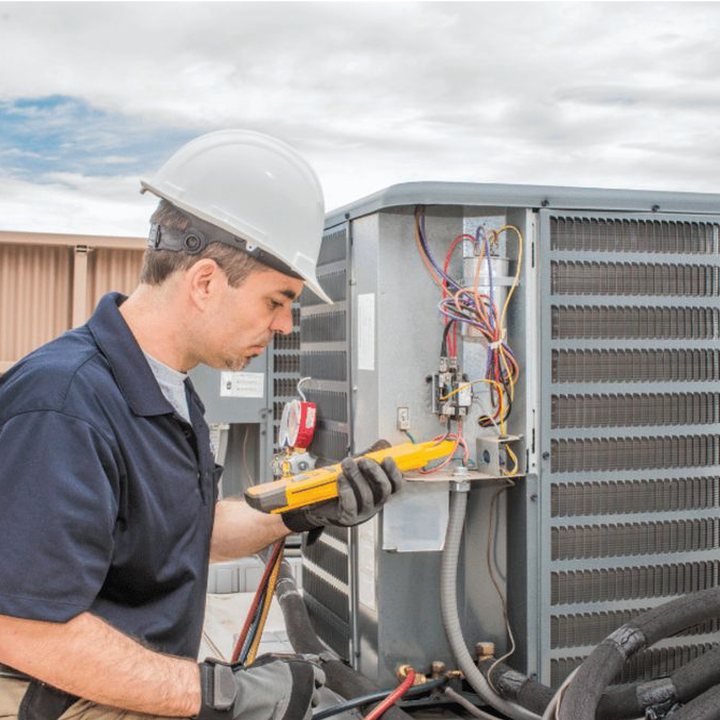
View scopeDefine the equipment and areas involved, including rooftop units and make-up air, and state access-hour limits and documentation needs when comparing scopes.
View scopeCommercial ventilation systems vary with building use, equipment, and operating hours. Before seeking a quote for a shop, dealership, care facility, or manufacturing space in Wingham, gather equipment lists, accessible plans, and any restrictions on work near production or occupied areas. Ask how rooftop units, make-up air equipment, and interior runs will be scoped, and what documentation is available. Building use and dust type affect the work plan, while access and requested records affect the estimate.
Compare scopes for supply and return runs, register access, suction during brushing, and optional camera images of accessible trunk lines before and after work. Ask whether brushing covers the complete route from lint-trap housing to exterior hood, including long basement runs and turns, and whether airflow is measured. Confirm which components are included: a removable blower assembly, an accessible evaporator coil cleaned in place, or inspectable heat exchanger surfaces.
Compare scopes for HRV cores, screens, condensate paths, bath fan or kitchen hood exhaust runs, and accessible exterior terminations. Consider a labeled treatment only after identifying a possible odour source and asking whether duct cleaning is needed first. Review use and re-entry directions.
Ask how supply and return leaks will be located and whether the scope separately includes sealing, re-hanging sagging runs, or rebuilding damaged sections. Define the equipment and areas involved, including rooftop units and make-up air, and state access-hour limits and documentation needs when comparing scopes.
A dryer vent scope depends on the route from the lint-trap housing to the outdoor hood. If laundry equipment is in a basement, the run may travel horizontally or include several turns before reaching an exterior wall or roof. Photograph the dryer connection and outside termination, and note any long drying times or visible lint. Ask whether the entire route will be brushed and whether airflow will be checked at the hood; those details make quotes easier to compare.
Explore this serviceSend the location, symptoms, equipment and access details. State whether the work is a repair, replacement or planned project.
The request is reviewed so the responding provider can clarify the work, property access and service coverage.
Agree the provider identity, qualifications, written scope, pricing and visit window directly. Sending a form does not confirm an appointment.
If the dryer is in a basement or far from an outside wall, sketch the route or photograph visible sections and the hood. Long horizontal stretches and sharp turns can change the access and time required. Confirm that the estimate accounts for the complete run rather than only the short section near the appliance.
A building that handles metal dust may need a different assessment from an office with ordinary indoor debris. Provide information about the work performed, system layout, rooftop units, and make-up air equipment. Request a written scope that identifies equipment and duct sections, access assumptions, exclusions, and any factors that could change the estimate.
Find out whether each grille is removed and the ductwork is brushed while a collector keeps the system under suction. This detail matters because loosened material should be drawn toward the collection equipment, rather than pushed into connected rooms. Ask which registers and return openings are part of the quoted work.
If the home has an HRV or air exchanger, check its model label and ask whether the scope includes the core, screens, and condensate paths. These are distinct components, and access varies by unit. Confirm how any washing will be handled and whether the equipment instructions affect the method.
If a home has lingering smoke, pet, or pest odours, describe when they began and which rooms are affected. Odours can originate in furnishings, building cavities, or the ventilation system, so this information affects whether duct treatment is relevant. If there may be an active pest or moisture source, ask that it be assessed separately.
Use the form to describe the property, the symptoms and the work requested. For Blyth, Brussels, Lucknow, Teeswater, include your postal code so local coverage can be checked.